
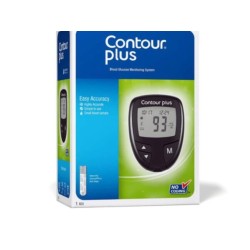
Contour Plus Meter Glucometer — available at DiabetesStore.com.bd
Winter in Bangladesh is a welcome season — cooler mornings, festive foods, and a little relief from the heat. But for people living with diabetes, this season quietly brings a few challenges that are worth knowing about. One area that often gets overlooked is kidney and urinary wellness.
Your kidneys work hard every single day, quietly filtering your blood and keeping your body balanced. When blood sugar levels are not well managed, the kidneys can come under extra pressure over time. Add in the cooler winter months — when many of us drink less water, eat heavier meals, and move a little less — and it makes good sense to give your kidneys a little extra thought.
This article shares simple, warm, practical habits to help you support your kidney and urinary wellness this winter, right here in Bangladesh.
Why Winter Deserves Extra Attention for Kidney Wellness
How Blood Sugar Levels and Kidneys Are Connected
Your kidneys contain tiny blood vessels that filter waste from your blood. When blood sugar stays high for a long time, those small vessels can be affected. This is why consistent blood sugar monitoring is considered one of the most important self-care habits for people with diabetes — not just for energy and mood, but for the long-term health of organs like the kidneys.
The good news is that building steady daily habits — checking your blood sugar, eating well, staying active, and drinking enough water — goes a long way toward supporting kidney health every day.
What Changes in Winter That Matters
In the colder months, a few patterns tend to shift:
- We drink less water. When it's not hot, thirst signals are weaker. This means many people unknowingly drink less fluid, which puts a small but real burden on the kidneys.
- We eat heavier, saltier foods. Khichuri, biriyani, pickles, and salted snacks are popular in winter — but extra salt makes the kidneys work harder.
- We move less. Cozy mornings and cool evenings often mean fewer steps, which can slow circulation.
- Blood sugar can be less predictable. Cold weather, changing meal patterns, and holiday eating can all cause blood sugar to fluctuate more than usual.
None of these things are causes for panic — they are simply reasons to be a little more intentional this season.
Simple Daily Habits to Support Your Kidneys This Winter
Stay Warm — and Still Drink Enough Water
This is the most underrated winter kidney tip: keep drinking water, even when you don't feel thirsty. Aim to sip fluids consistently throughout the day rather than waiting until you feel dry.
If plain cold water feels uninviting in winter, try warm water with a small piece of ginger, or plain warm herbal tea without sugar. These count toward your fluid intake and feel comforting on cold mornings. Your kidneys stay happiest when they have a steady flow of fluid to work with.
A simple rule: check the colour of your urine. Pale yellow means you are likely well-hydrated. Dark yellow is a sign to drink more.
Watch Your Salt Intake During Cold-Season Comfort Foods
Salty foods taste especially satisfying in winter. But sodium (salt) causes the kidneys to retain water and work harder to maintain balance. For people with diabetes, keeping sodium moderate is a sensible choice.
Practical swaps to try:
- Use fresh lemon juice or green chilli for flavour instead of extra salt.
- Rinse canned or packaged foods before cooking if you use them.
- Cook more meals at home — restaurant and street food tends to be much saltier.
- Enjoy pickles and salty snacks as an occasional treat, not a daily habit.
Keep Blood Sugar Steady With Regular Monitoring
Consistent blood sugar monitoring is your most powerful tool for protecting your kidneys over time. When you check regularly, you can spot patterns — like blood sugar rising after certain winter meals — and talk to your doctor or dietitian about adjustments.
Many people find that glucometers and glucose test strips are essential daily companions. Checking at consistent times each day — before meals, after meals, and before bed — gives you a full picture of how your body is responding to your winter routine.
Keep a simple log — even a small notebook works — so you can share patterns with your healthcare team at your next visit.
Gentle Movement to Support Circulation
Exercise supports healthy blood flow, which in turn helps the kidneys receive the oxygen and nutrients they need. You don't need a gym or vigorous workouts — especially in winter.
Simple ideas for staying active:
- A 20-30 minute walk after lunch or in the late afternoon when the temperature is pleasant.
- Gentle stretching or yoga indoors in the morning.
- Household activities like gardening or light cleaning count too.
Wearing comfortable, supportive footwear matters especially when walking on cold mornings. Consider diabetic footwear designed to keep your feet safe and comfortable during winter walks.
Urinary Wellness: Signs Worth Paying Attention To
What to Notice and When to Speak to Your Doctor
People with diabetes are encouraged to pay a little more attention to changes in urination patterns. This is not about worrying — it's about being informed and proactive.
Some things worth mentioning to your doctor if you notice them:
- Urinating much more or much less than usual for several days in a row.
- Swelling in the feet, ankles, or hands that doesn't go away.
- Unusual fatigue that feels different from normal tiredness.
- Cloudy or foamy urine on a regular basis.
- A burning feeling when urinating.
These are simply signals to check in with your doctor — not reasons to panic. Your healthcare team is the right person to assess what any of these signs might mean for you individually.
Eating Smart for Kidney-Friendly Winter Meals in Bangladesh
Kidney-Friendly Foods That Are Easy to Find in Bangladesh
Bangladesh's winter produce season is actually wonderful for kidney-supportive eating. Many seasonal vegetables that arrive in winter markets are gentle on the kidneys and great for blood sugar balance.
Look for:
- Cauliflower (phulkopi) — a winter favourite and a great low-carb option for blood sugar management.
- Cabbage (badhakopi) — versatile, low in potassium, and easy to prepare in many ways.
- Carrots (gajar) — good in moderate amounts and widely available at winter markets.
- Green beans (sheem) — popular in Bangladesh and a great source of fibre.
- Bottle gourd (lau) — easy to digest and a good fluid source.
- Red lentils (masoor dal) — a staple that is filling and protein-rich without being overly heavy on the kidneys in normal portions.
Fish — especially smaller freshwater fish common in Bangladesh — is a great protein source that tends to be gentler on the body than red meat for most people.
Foods to Enjoy in Moderation
Some foods are higher in potassium, phosphorus, or sodium, which the kidneys have to process more carefully. This doesn't mean avoiding them — just enjoying them in smaller portions:
- Dark leafy greens in very large portions (small amounts are fine for most people).
- Processed or packaged snacks with long ingredient lists.
- Red meat in large quantities — a small portion occasionally is usually fine.
- High-sodium condiments like soy sauce, extra fish sauce, or large amounts of pickles.
If you have any existing kidney concerns, ask your doctor or a dietitian for personalised guidance on portion sizes — this general information is a helpful starting point, not a prescription.
Building a Winter Kidney-Care Routine Step by Step
It can feel overwhelming to change many habits at once. The good news is that small, consistent steps make the biggest difference over time. Here is a simple framework to build a kidney-supportive winter routine:
- Morning: Start with a glass of warm water. Check your blood sugar. Take a few minutes for gentle stretching.
- Meals: Fill half your plate with winter vegetables, one quarter with a lean protein (fish, dal, egg), and one quarter with rice or roti.
- Snacks: Choose fruits, a small handful of nuts, or plain yogurt instead of salty processed snacks.
- Afternoon: Take a short walk or do some light activity. Sip water or warm herbal tea through the day.
- Evening: Check blood sugar again if recommended by your doctor. Prepare a simple, home-cooked dinner.
- Before bed: Log your readings and notice how you feel. Rest well — sleep supports every organ in the body, including the kidneys.
Having the right tools close at hand makes it much easier to stay on track. You can explore glucose test strips and monitoring supplies at diabetesstore.com.bd to make sure you are always stocked up for your daily routine.
Frequently Asked Questions
Q: Does cold weather directly harm the kidneys in people with diabetes?
Cold weather itself does not directly damage kidneys. However, cold weather often leads to drinking less water, eating heavier foods, and moving less — all of which can indirectly put extra strain on the kidneys over time. Being mindful of these patterns helps you stay on top of your self-care.
Q: How much water should someone with diabetes drink in winter?
General guidance for most adults is around 6-8 glasses of fluid per day, but individual needs vary. Your doctor can give you personalised advice based on your health status. Warm fluids like herbal teas or warm water with ginger count toward your daily intake and are comfortable in winter.
Q: Can a person with diabetes eat dal (lentils) every day without worrying about kidney health?
For most people with diabetes, moderate portions of dal are a healthy and nutritious part of the diet. If you have specific kidney concerns, your doctor or dietitian can advise on the right portion sizes for you. This is not something to worry about without guidance from your healthcare team.
Q: How often should I check my blood sugar in winter?
Your doctor or diabetes care team is the best person to advise on this. Many people check before meals, after meals, and before bed. In winter, when meal patterns and activity levels may change, it can be particularly useful to check a little more consistently to catch any unexpected fluctuations.
Q: Are there any signs that my kidneys might need a check-up?
Some signs worth mentioning to your doctor include persistent swelling in feet or ankles, unusual fatigue, changes in urination patterns, or foamy urine. Only your doctor can assess what these signs mean for you. Regular medical check-ups, including urine and blood tests, are an important part of diabetes care.
Disclaimer: This article is for general information purposes only and does not constitute medical advice. Always consult your doctor, pharmacist, or qualified healthcare professional for personalised guidance about your health and diabetes management.
]]>